Managing Holiday Stress: Insights from a Psychology Expert
November 27, 2024 - 18:03
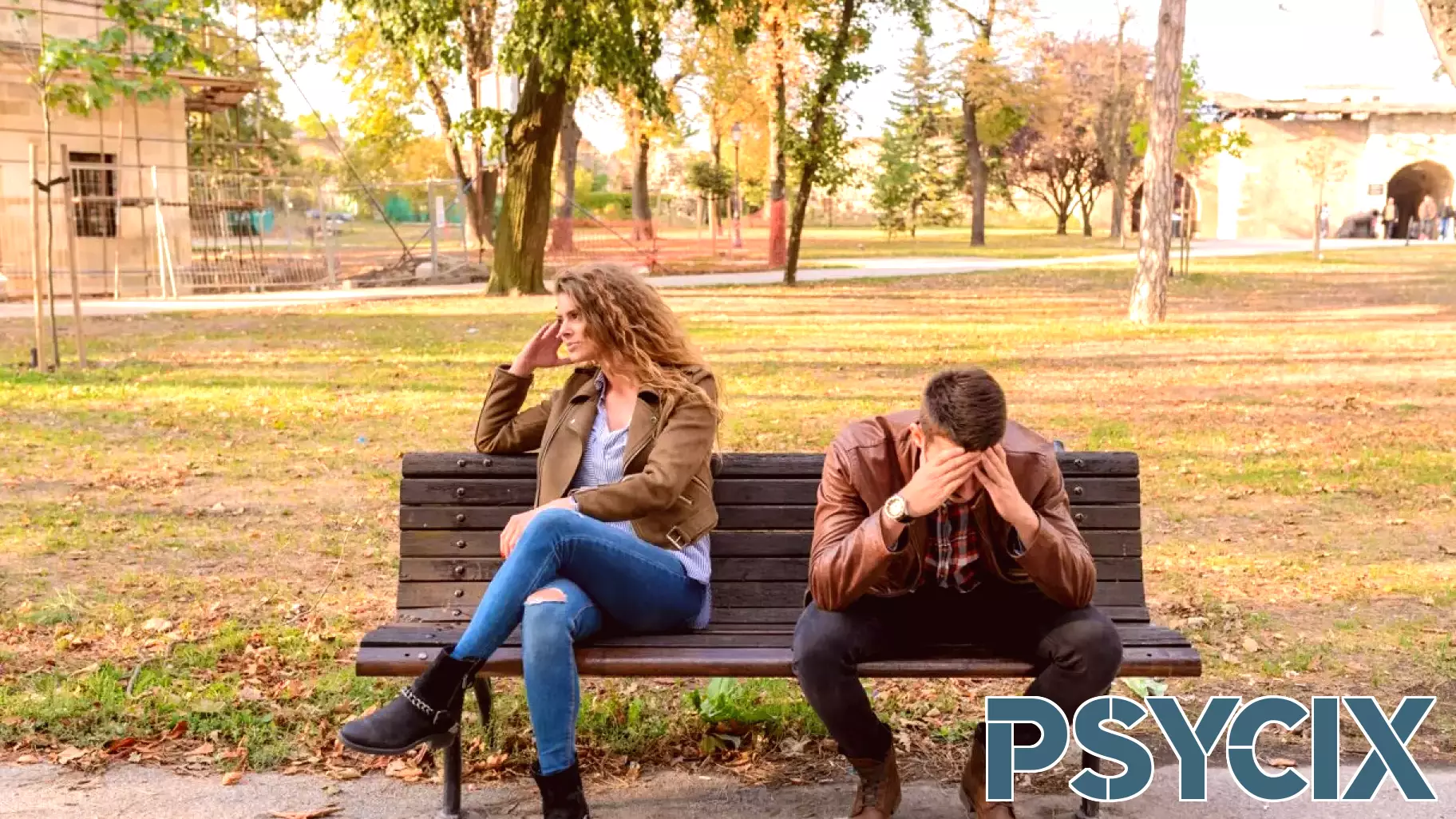
Unlike the seamless Thanksgiving miracles depicted on Hallmark TV programs, real life often involves frantic last-minute grocery runs, burnt turkeys, and the juggling act of family tensions simmering just beneath the surface. As the holiday season approaches, many families find themselves overwhelmed by stress and expectations.
A psychology professor emphasizes the importance of managing stress during this time to ensure that family gatherings remain joyful and meaningful. It is crucial to recognize the triggers that can lead to heightened anxiety, such as financial pressures, family dynamics, and the desire for perfection.
To navigate these challenges, the professor suggests adopting a flexible mindset and setting realistic expectations. Embracing imperfections and focusing on the moments that truly matter can help alleviate the pressure. Additionally, open communication among family members can foster understanding and reduce potential conflicts.
Mindfulness techniques, such as deep breathing and meditation, are also recommended as effective tools for managing stress. Taking time for self-care, even amidst the hustle and bustle, can make a significant difference in maintaining a positive outlook.
Ultimately, the key to a successful holiday season lies in prioritizing connection over perfection, allowing families to create lasting memories without the burden of stress.
MORE NEWS

October 27, 2026 - 22:16
Rethinking Your Space Without Breaking the BankImproving your spaces doesn`t need to be expensive or fancy. It just needs a little reorganizing. That simple idea sits at the heart of a growing interest in how our surroundings shape the way we...

October 27, 2026 - 00:10
Why We Are Drawn to Stories About Ordinary People Doing Terrible ThingsThe Stanford prison experiment has fascinated the public for decades, and it keeps returning in new forms. A new Netflix production revisits the notorious 1971 study, in which college students were...

October 26, 2026 - 00:43
Creators of "The New Stanford Prison Experiment" Explain Its Surprising ConclusionThe finale of `The New Stanford Prison Experiment` takes a far more hopeful turn than the original 1971 study led by Stanford psychology professor Philip Zimbardo. That first iteration of the...

October 25, 2026 - 02:32
Study Links Peer Victimization to Negative Self-Image in TeensTeenagers who experience bullying and other forms of peer victimization tend to develop more negative views of themselves as they move through adolescence, according to new research. The study...