S&P 500 Rally Faces Challenges from Rising Treasury Yields
January 12, 2025 - 23:59
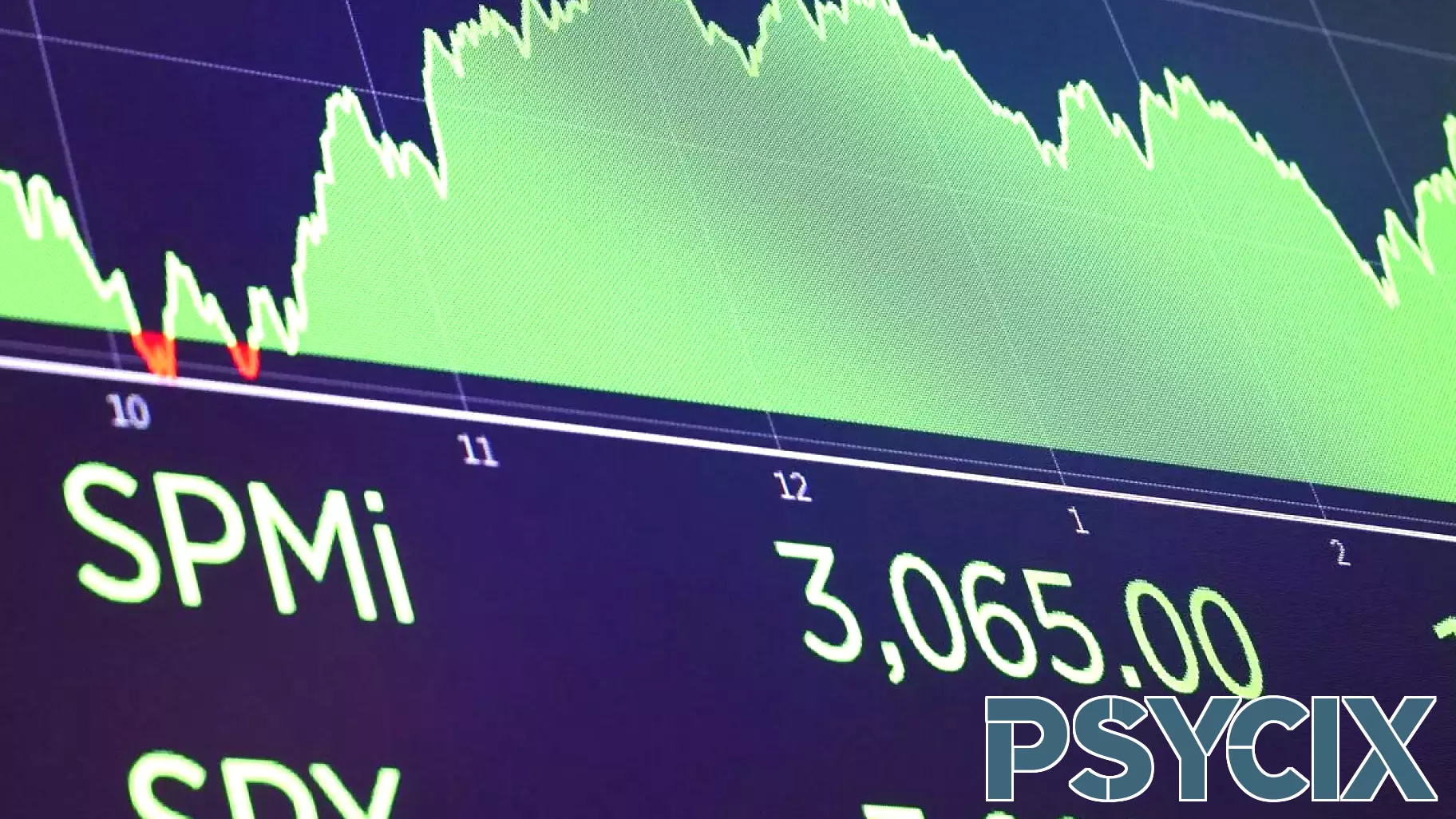
The stock market has experienced a remarkable surge, with the S&P 500 Index climbing over 50% between the beginning of 2023 and the end of 2024, resulting in an impressive addition of $18 trillion in value. However, this seemingly unstoppable rally is now encountering significant headwinds, primarily due to rising Treasury yields that have surpassed the 5% mark.
Investors are beginning to reassess their strategies as higher yields can often lead to increased borrowing costs and a shift in capital allocation. The psychological impact of these elevated yields may cause market participants to adopt a more cautious approach, potentially leading to a reevaluation of stock valuations.
As Wall Street grapples with these changes, the future trajectory of the S&P 500 remains uncertain. The market’s resilience will be tested as investors weigh the implications of sustained high yields against the backdrop of economic growth and corporate earnings.
MORE NEWS

October 27, 2026 - 00:10
Why We Are Drawn to Stories About Ordinary People Doing Terrible ThingsThe Stanford prison experiment has fascinated the public for decades, and it keeps returning in new forms. A new Netflix production revisits the notorious 1971 study, in which college students were...

October 26, 2026 - 00:43
Creators of "The New Stanford Prison Experiment" Explain Its Surprising ConclusionThe finale of `The New Stanford Prison Experiment` takes a far more hopeful turn than the original 1971 study led by Stanford psychology professor Philip Zimbardo. That first iteration of the...

October 25, 2026 - 02:32
Study Links Peer Victimization to Negative Self-Image in TeensTeenagers who experience bullying and other forms of peer victimization tend to develop more negative views of themselves as they move through adolescence, according to new research. The study...

October 24, 2026 - 07:10
Psychology explains why some people feel calmer on rainy days while others feel low or restless; what our responses to weather reveal about mood, memories and our surroundingsFor some people rainy days feel like a peek into heaven, with the smell of mud and a hot cup of tea to cosy up with. But for others it can feel like their worst nightmare where they feel low and...