The Impact of Wine Corks on Consumer Perception
December 12, 2024 - 23:21
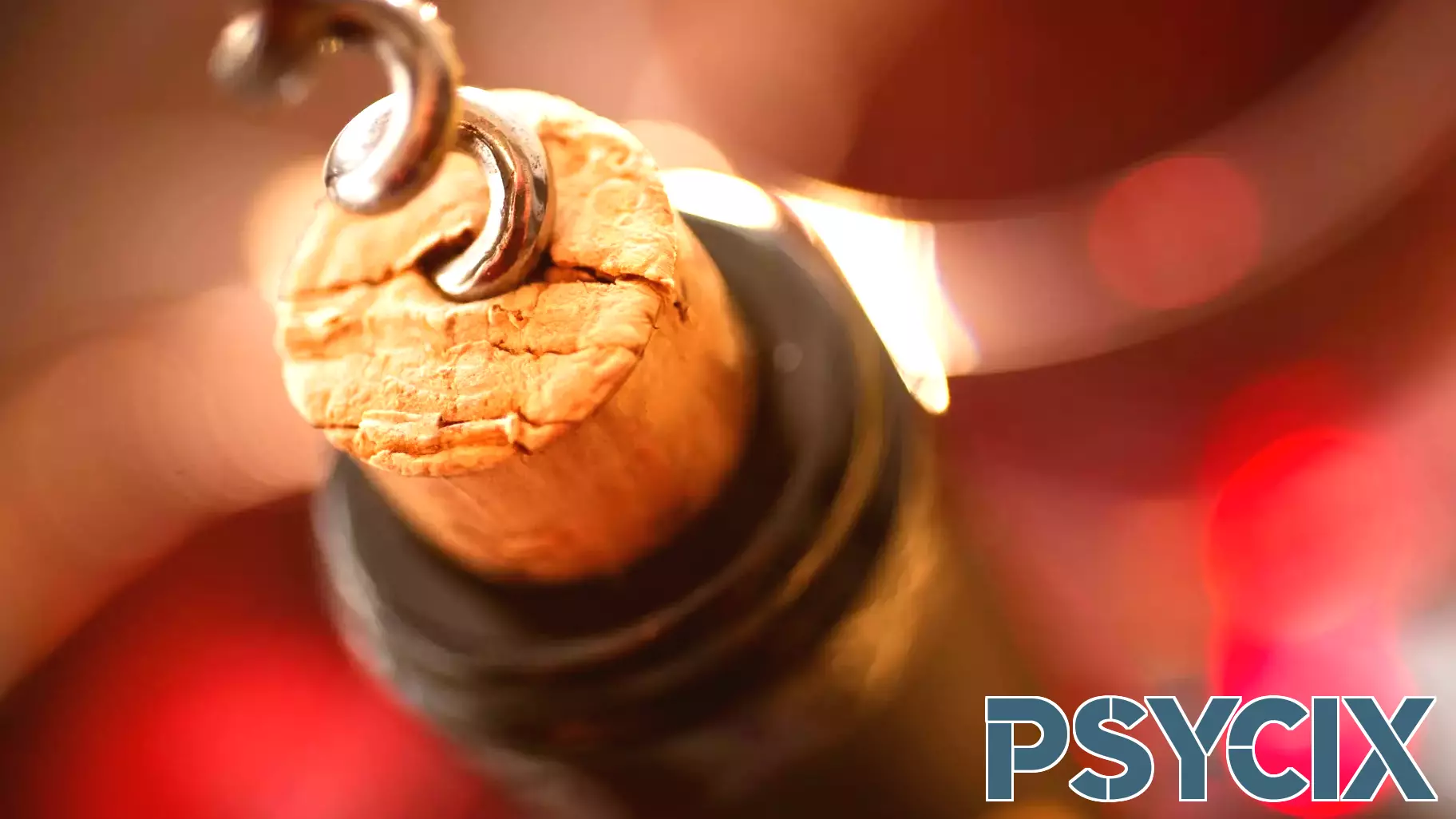
The humble wine cork plays a surprisingly significant role in shaping consumer perceptions of wine quality. Recent studies reveal that the type of closure used on a wine bottle can influence how drinkers evaluate the wine inside. Traditional corks are often associated with higher quality and authenticity, while screw caps may lead consumers to perceive the wine as less premium.
This phenomenon highlights an essential lesson for marketers across various industries: packaging is not just a protective measure; it actively shapes consumer expectations and experiences. The tactile and visual elements of packaging can evoke emotions and assumptions about the product, affecting purchasing decisions.
As brands strive to differentiate themselves in a crowded market, understanding the psychological impact of packaging can be a game-changer. Companies that pay attention to these subtleties can enhance their brand image and consumer loyalty, ultimately leading to increased sales and a stronger market presence.
MORE NEWS

October 27, 2026 - 00:10
Why We Are Drawn to Stories About Ordinary People Doing Terrible ThingsThe Stanford prison experiment has fascinated the public for decades, and it keeps returning in new forms. A new Netflix production revisits the notorious 1971 study, in which college students were...

October 26, 2026 - 00:43
Creators of "The New Stanford Prison Experiment" Explain Its Surprising ConclusionThe finale of `The New Stanford Prison Experiment` takes a far more hopeful turn than the original 1971 study led by Stanford psychology professor Philip Zimbardo. That first iteration of the...

October 25, 2026 - 02:32
Study Links Peer Victimization to Negative Self-Image in TeensTeenagers who experience bullying and other forms of peer victimization tend to develop more negative views of themselves as they move through adolescence, according to new research. The study...

October 24, 2026 - 07:10
Psychology explains why some people feel calmer on rainy days while others feel low or restless; what our responses to weather reveal about mood, memories and our surroundingsFor some people rainy days feel like a peek into heaven, with the smell of mud and a hot cup of tea to cosy up with. But for others it can feel like their worst nightmare where they feel low and...