Transforming Pain into Purpose: The Journey Beyond Generational Trauma
January 17, 2025 - 08:46
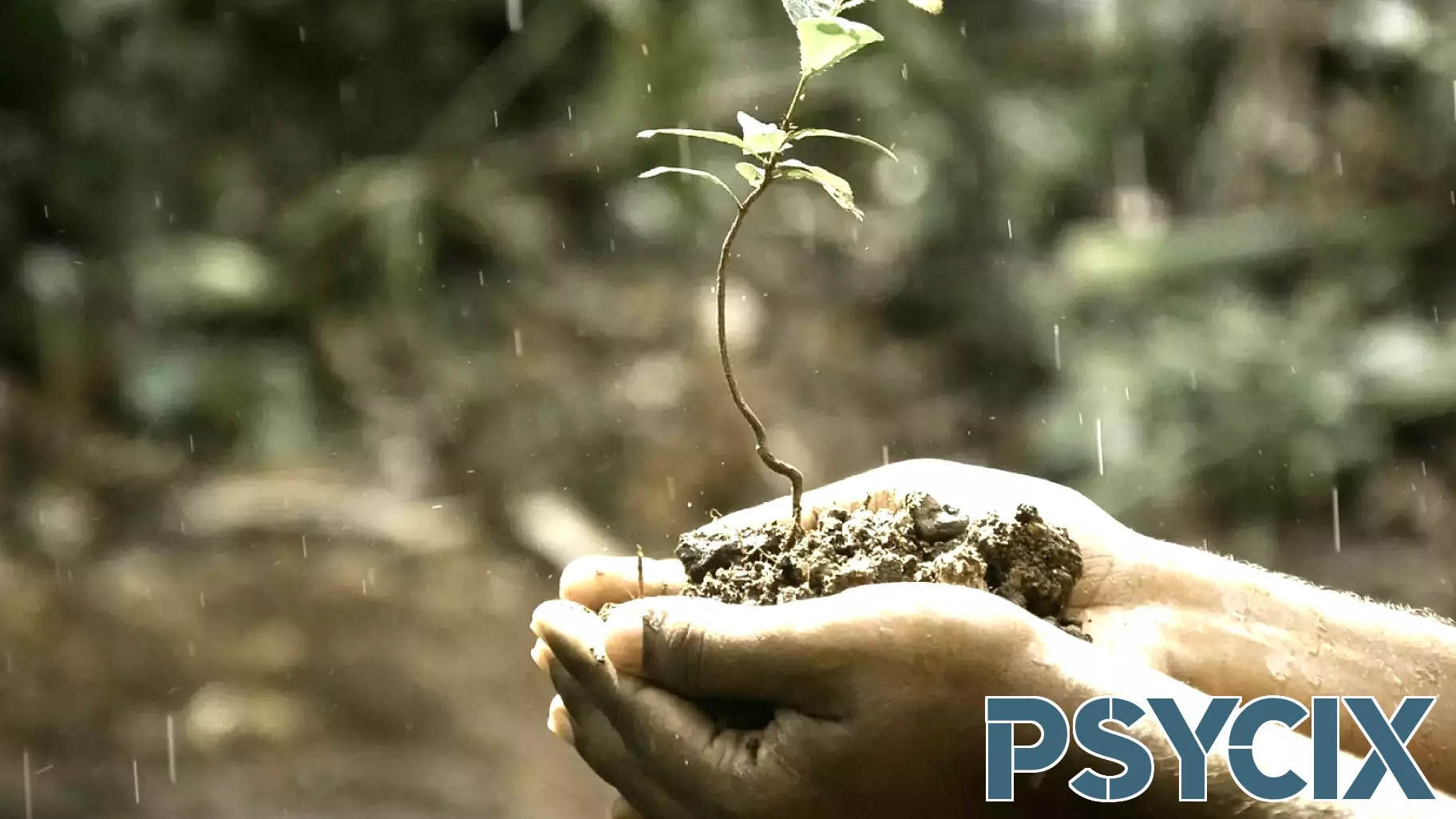
Generational trauma can leave deep scars that affect families for years, often manifesting in cycles of pain and suffering. However, many individuals are now choosing to confront this legacy, seeking to transform their experiences into a source of strength and resilience. By acknowledging the past and embracing healing, they pave the way for a brighter future.
The journey begins with understanding how trauma is passed down through generations, often influencing behaviors, relationships, and emotional health. Yet, there is a growing movement focused on breaking this cycle. People are increasingly engaging in therapy, community support, and self-reflection, aiming to foster joy and create a legacy of positivity.
As individuals work through their pain, they not only heal themselves but also set an example for future generations. This ripple effect can lead to healthier family dynamics, improved mental health, and a renewed sense of purpose. Ultimately, the pursuit of joy and legacy becomes a powerful tool in reshaping the narrative of generational trauma, fostering growth and resilience for years to come.
MORE NEWS

October 27, 2026 - 00:10
Why We Are Drawn to Stories About Ordinary People Doing Terrible ThingsThe Stanford prison experiment has fascinated the public for decades, and it keeps returning in new forms. A new Netflix production revisits the notorious 1971 study, in which college students were...

October 26, 2026 - 00:43
Creators of "The New Stanford Prison Experiment" Explain Its Surprising ConclusionThe finale of `The New Stanford Prison Experiment` takes a far more hopeful turn than the original 1971 study led by Stanford psychology professor Philip Zimbardo. That first iteration of the...

October 25, 2026 - 02:32
Study Links Peer Victimization to Negative Self-Image in TeensTeenagers who experience bullying and other forms of peer victimization tend to develop more negative views of themselves as they move through adolescence, according to new research. The study...

October 24, 2026 - 07:10
Psychology explains why some people feel calmer on rainy days while others feel low or restless; what our responses to weather reveal about mood, memories and our surroundingsFor some people rainy days feel like a peek into heaven, with the smell of mud and a hot cup of tea to cosy up with. But for others it can feel like their worst nightmare where they feel low and...